Injectables
Under-Eye Hollows & Dark Circles: Treatment Options
Under-eye concerns are one of the most common reasons patients say they look tired, even when they feel rested. But the cause is not always the same. At True Bliss Medical in Verona, NJ, Dr. Alexander Rios, MD evaluates the under-eye area in the context of the whole face so treatment can be matched to the real source of the shadow, hollow, or discoloration.
Under-eye hollows and dark circles can come from anatomy, skin quality, volume loss, pigmentation, or lifestyle factors. Learn how a physician-directed consultation helps determine whether filler, PRP/PRF, skin treatments, or another plan makes sense.
In This Article
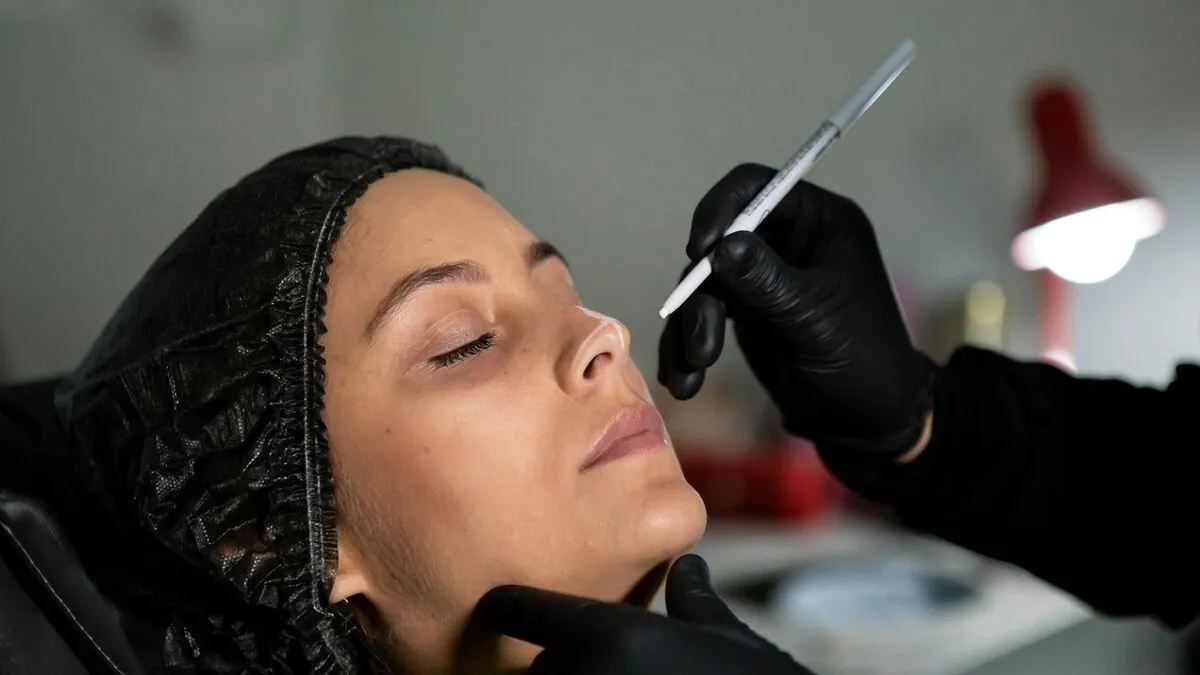
Why Under-Eyes Can Look Tired
The under-eye area is delicate. Small changes in volume, skin thickness, pigmentation, hydration, and facial structure can create a tired appearance.
Some patients have true hollowness, while others have dark circles caused by skin tone, visible blood vessels, allergies, or shadows from the cheek and tear trough area.
- Tear trough hollowing
- Volume loss in the midface
- Thin or crepey skin
- Pigmentation or vascular darkness
- Shadows created by facial structure
Hollows vs. Dark Circles
Under-eye hollows are usually structural. They happen when the area beneath the eye appears sunken or shadowed because of anatomy, aging, or volume changes.
Dark circles may be caused by pigment, visible vessels, inflammation, or lifestyle factors. This distinction matters because filler will not correct every type of darkness.
- Hollows often need structural assessment
- Pigment-related darkness may need skin-focused care
- Vascular darkness can require a different plan
- A consultation helps separate shadow from discoloration
Why the Cheeks Matter
The under-eye area does not exist by itself. Cheek support has a major effect on how the tear trough looks.
If the midface has lost support, treating only the under-eye area may not create the most natural result. In some cases, cheek or facial balancing work is considered first.
Can Filler Help?
Dermal filler may help when the concern is true hollowing and the anatomy is appropriate. The goal is not to overfill the under-eye area, but to soften the transition between the lower eyelid and cheek.
This is a highly precise area. Product choice, placement, and conservative dosing are important because the skin is thin and swelling can be more noticeable here.
- Best suited for select structural hollows
- Requires careful product choice and placement
- Should look soft, not puffy or overfilled
- Not ideal for every type of dark circle
What About PRP or PRF?
PRP and PRF use components from your own blood to support skin quality. These treatments are often discussed for patients whose under-eye concern is related to thin skin, texture, or overall skin quality rather than only volume loss.
They do not work like filler. The goal is gradual support, not instant volume replacement.
When Skin Quality Is the Main Issue
Sometimes the under-eye area looks tired because the skin is thin, crepey, dry, or uneven in tone. In those cases, skin-focused treatments or medical-grade skincare may be part of the plan.
A careful plan may include collagen-supporting treatments, brightening strategies, hydration support, and sun protection.
When Filler Is Not the Right Choice
Under-eye filler is not always appropriate. Patients with significant puffiness, fluid retention, certain anatomy, or darkness caused mainly by pigment may need a different approach.
This is why a medical evaluation is important before choosing a treatment. The best result often comes from saying no to the wrong procedure.
- Existing puffiness or bags
- Darkness caused mainly by pigmentation
- Thin skin with high swelling risk
- Anatomy better suited for another approach
What to Expect During Consultation
Dr. Rios evaluates facial structure, cheek support, skin quality, under-eye hollowing, and the type of darkness present. Photos and facial movement may also be reviewed.
The consultation helps determine whether the plan should focus on volume, skin quality, pigmentation, or a combination of factors.
Safety and Realistic Expectations
The under-eye area requires conservative planning. Mild swelling, bruising, or temporary tenderness can happen after injectable treatments.
Results should be natural and balanced. The goal is to look more rested, not different.
Final Thoughts
Under-eye hollows and dark circles can have several causes, so the right treatment depends on the diagnosis. Filler, PRP/PRF, skin-quality treatments, and broader facial balancing can all play a role for the right patient.
If your under-eyes make you look tired, the best first step is a consultation. A physician-directed plan can identify what is actually causing the concern and choose the most appropriate option.
About True Bliss Medical
True Bliss Medical is located in Verona, New Jersey, and serves patients throughout Essex County, including Montclair, Caldwell, West Caldwell, West Orange, Livingston, and Cedar Grove. Our practice focuses on advanced, physician-performed aesthetic treatments designed to enhance natural beauty without surgery.
Next step
Concerned about under-eye hollows or dark circles? Schedule a consultation with Dr. Alexander Rios, MD, at True Bliss Medical in Verona, NJ, to review your anatomy, skin quality, and treatment options.
Considering this treatment? Explore Botox & Fillers at True Bliss Medical in Verona, NJ.
Book a ConsultationContinue reading