Injectables
Best Fillers for Under-Eye Hollows
The under-eye area can change in subtle ways. Hollowing, shadows, and a tired appearance often come from volume loss or facial structure rather than skin alone. At True Bliss Medical in Verona, NJ, under-eye filler treatments are approached with precision and caution under the guidance of Dr. Alexander Rios, MD, with the goal of subtle correction that blends naturally with your facial features.
Under-eye hollows can make the face look tired even when you feel rested. Learn why soft hyaluronic acid fillers, conservative placement, and physician-directed assessment matter in this delicate area.
In This Article
- What Causes Under-Eye Hollows?
- How Fillers May Help
- What Makes a Filler Best for Under-Eyes?
- Common Types of Fillers Used
- Why Technique Matters More Than the Brand
- What Happens During the Procedure?
- What Does It Feel Like?
- What Is the Recovery Like?
- How Long Do Results Last?
- Who May Be a Good Candidate?
- Common Mistakes to Avoid
- The Role of Full-Face Assessment
- Safety Considerations
- Final Thoughts
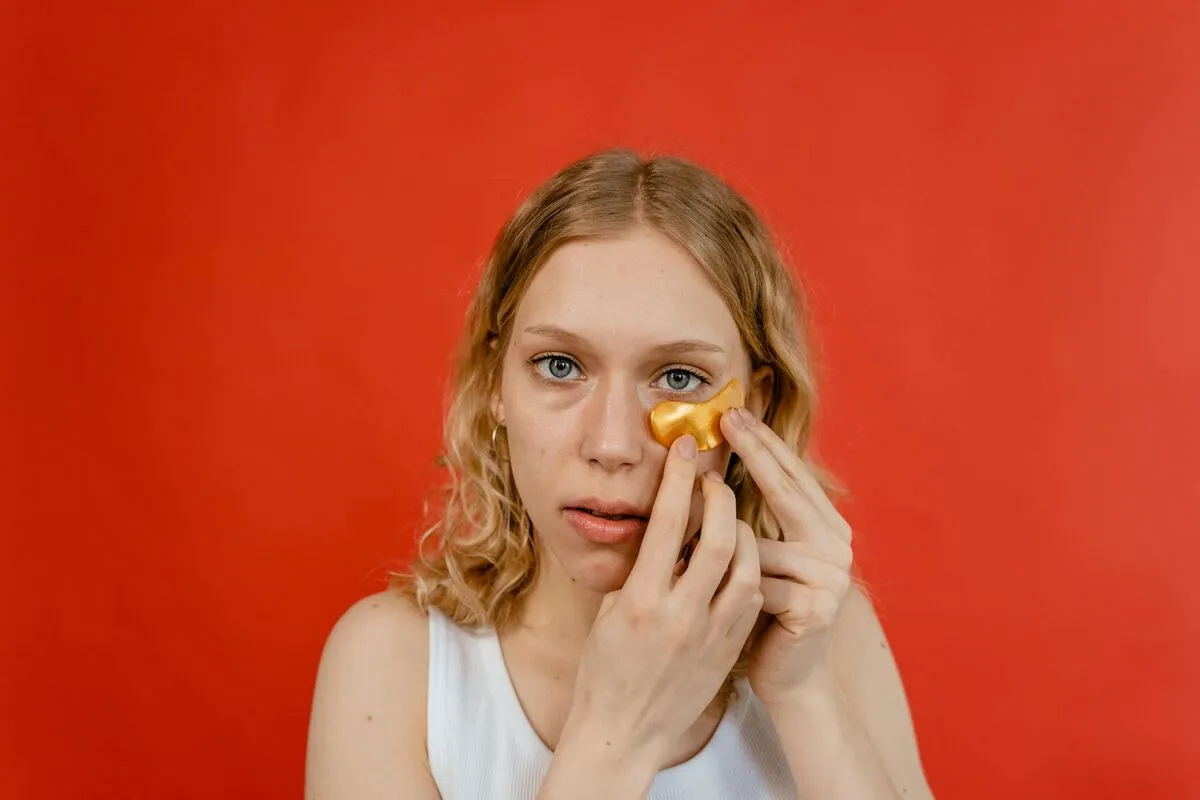
What Causes Under-Eye Hollows?
Before choosing a filler, it is important to understand why the area looks hollow or shadowed. Common factors include volume loss in the tear trough area, thinning skin, changes in facial fat pads, genetics, and the way light reflects across the lower eyelid and cheek.
These factors can create shadows that make the area look darker, more sunken, or more tired. A careful evaluation helps separate true hollowing from pigmentation, puffiness, or skin-quality concerns.
- Loss of volume in the tear trough area
- Thinning skin
- Changes in fat pads
- Genetics and facial anatomy
- Shadows created by the lower eyelid and cheek transition
How Fillers May Help
Dermal fillers can help by restoring carefully selected volume. When placed appropriately, they may soften the transition between the lower eyelid and cheek, reduce shadowing, and create a more rested appearance.
The goal is not to completely fill the area or change the face. In physician-directed aesthetic care, the under-eye area is treated conservatively so the result appears smooth, balanced, and natural.
What Makes a Filler Best for Under-Eyes?
The under-eye area is different from the lips, jawline, or cheeks. The skin is thin, swelling can be more visible, and small changes are noticeable.
For this reason, fillers used in this area are typically selected for softness, smoothness, flexibility, and their ability to integrate with delicate tissue without creating a heavy or puffy look.
- Soft consistency
- Smooth integration
- Flexible movement
- Appropriate for delicate placement
- Conservative volume correction
Common Types of Fillers Used
Most under-eye treatments use hyaluronic acid fillers. Hyaluronic acid is often preferred because it has a softer profile, integrates well with the skin, and may be reversible in many cases when clinically appropriate.
Different brands exist, but the most important decision is not simply the product name. The right plan depends on anatomy, skin quality, cheek support, and the provider's technique.
Why Technique Matters More Than the Brand
Even a well-selected filler can look unnatural if too much is used, if it is placed too close to the surface, or if the area is overcorrected. Under-eye treatment requires restraint and precise placement.
At True Bliss Medical, Dr. Alexander Rios, MD emphasizes technique over volume. The focus is on small amounts, deep and thoughtful placement when appropriate, and gradual improvement rather than overfilling.
- Small amounts of product
- Precise placement
- Full-face assessment
- Balanced correction instead of overfilling
What Happens During the Procedure?
Under-eye filler is typically a brief treatment, but it requires careful planning. During consultation, your provider evaluates the under-eye area, cheek support, facial balance, and whether filler is the right option for your anatomy.
If treatment is appropriate, small amounts of filler are placed in targeted areas and the tissue may be gently adjusted for even distribution. The appointment is often completed in under 30 minutes, depending on the plan.
What Does It Feel Like?
Most patients describe a slight pinch, mild pressure, or temporary tenderness during treatment. Numbing options may be used to improve comfort.
Because the under-eye area is delicate, the procedure is performed slowly and intentionally. Comfort, safety, and natural-looking correction guide the pace of treatment.
What Is the Recovery Like?
After under-eye filler, temporary swelling, mild bruising, tenderness, or unevenness can occur. The area may look fuller at first because of swelling, which is why patience is important.
Some improvement may be visible right away, swelling often begins to improve over the first week, and final results are typically easier to judge around two weeks after treatment.
- Temporary swelling
- Mild bruising
- Slight tenderness
- Early fullness before settling
- Final appearance often clearer around two weeks
How Long Do Results Last?
Under-eye filler results commonly last around 9 to 12 months, and sometimes longer. Longevity depends on the filler selected, individual metabolism, anatomy, lifestyle factors, and how the area responds over time.
Maintenance treatments may be recommended, but the goal is to preserve a refreshed look without making the area appear heavy or overtreated.
Who May Be a Good Candidate?
A good candidate may have true hollowing under the eyes, shadowing related to facial structure, and a preference for subtle non-surgical improvement.
Under-eye filler may not be appropriate for patients with significant under-eye bags, fluid retention, prominent puffiness, or skin laxity. In those cases, another treatment path may be more appropriate.
- Hollowing beneath the eyes
- Shadowing rather than puffiness
- Interest in a non-surgical option
- Preference for subtle improvement
Common Mistakes to Avoid
The under-eye area requires a careful, conservative approach. Common mistakes include overfilling, choosing the wrong type of filler, treating too superficially, or addressing the under-eye without considering the cheeks.
A balanced plan evaluates the surrounding facial structure because cheek support can strongly influence how the tear trough appears.
The Role of Full-Face Assessment
The under-eye area is connected to the midface. In some cases, cheek support may be needed before or instead of direct under-eye filler.
At True Bliss Medical in Verona, NJ, Dr. Rios evaluates the full face before treating the under-eyes so the plan supports facial harmony rather than focusing on one isolated line or hollow.
Safety Considerations
Under-eye fillers are considered safe when performed by qualified professionals, but the area is delicate and requires experience. Possible side effects include swelling, bruising, tenderness, and temporary unevenness.
Rare complications can occur with any injectable treatment. This is why medical evaluation, conservative planning, and clear follow-up guidance are important.
Final Thoughts
The best filler for under-eye hollows is not only about the product. It is about the diagnosis, the technique, the amount used, and whether filler is truly appropriate for the concern.
Soft, carefully placed fillers may improve hollowness and create a smoother transition beneath the eyes for the right candidate. If you are considering under-eye treatment, a consultation is the best next step to understand what is causing your concern and how to address it safely.
About True Bliss Medical
True Bliss Medical is located in Verona, New Jersey, and serves patients throughout Essex County, including Montclair, Caldwell, West Caldwell, West Orange, Livingston, and Cedar Grove. Our practice focuses on advanced, physician-performed aesthetic treatments designed to enhance natural beauty without surgery.
Next step
Considering filler for under-eye hollows? Schedule a consultation with Dr. Alexander Rios, MD, at True Bliss Medical in Verona, NJ, to review your anatomy, facial balance, and the safest treatment options for your goals.
Considering this treatment? Explore Botox & Fillers at True Bliss Medical in Verona, NJ.
Book a ConsultationContinue reading