Regenerative Medicine
What Is Stem Cell Banking and Why Consider It?
Stem cell banking is becoming a bigger topic in aesthetic medicine — and for good reason. It is not just about how you look today. It is about what options you may have in the future. At True Bliss Medical in Verona, NJ, patients often ask about treatments that go beyond short-term results. Under the care of Dr. Alexander Rios, the focus is on approaches that support long-term skin health and natural regeneration.
Stem cell banking is a forward-thinking regenerative option that preserves your own cells for potential future use in aesthetic and tissue-health treatments.
What Are Stem Cells?
Stem cells are special cells in your body that can turn into different types of cells, help repair damaged tissue, and support healing and regeneration.
Think of them as part of your body's repair system. As you age, the number and quality of these cells can decrease, which is one reason skin and tissue change over time.
- Can develop into different cell types
- Help support tissue repair
- Play a role in healing and regeneration
- May decline in quality and quantity with age
What Is Stem Cell Banking?
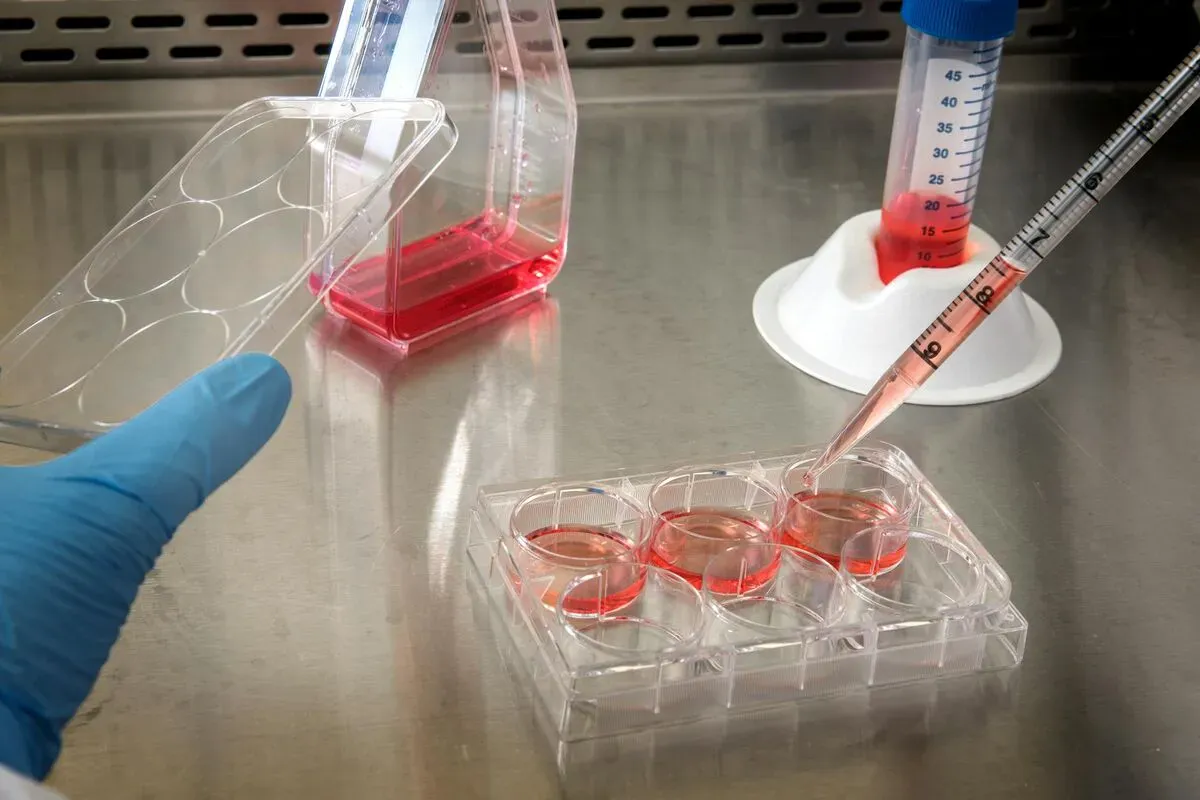
Stem cell banking is the process of collecting your own stem cells, processing them in a controlled setting, and storing them for future use.
These are called autologous stem cells, which means they come from your own body. Instead of using them right away, they are preserved so they may be available later when you may need them more.
- Collects your own stem cells
- Processes them in a specialized setting
- Stores them under controlled conditions
- Preserves potential future regenerative options
Where Do Stem Cells Come From?
In aesthetic medicine, stem cells are often collected from fat tissue because fat contains a rich supply of regenerative cells.
A small amount of tissue from areas such as the abdomen or thighs can provide a meaningful number of cells for processing and storage.
- Often collected from fat tissue
- Common donor areas include abdomen or thighs
- Fat tissue contains regenerative cell populations
- Collection is planned by a qualified medical provider
How Does the Banking Process Work?
The process is more straightforward than many people expect. A small amount of tissue is collected, sent to a specialized lab, processed, and then frozen under controlled conditions.
When appropriate in the future, the cells may be thawed and used in treatments designed to support skin or tissue health.
- Step 1: Collection of a small tissue sample
- Step 2: Lab processing and cell preparation
- Step 3: Controlled freezing and storage
- Step 4: Potential future use when appropriate
Why Do People Consider Stem Cell Banking?
Stem cell banking is less about immediate results and more about future options. Patients may choose to store their own cells at a time when those cells may be stronger and more abundant.
Because the cells are yours, future treatments can be personalized to your biology. This creates a long-term approach to aging that focuses on preparation, not just reaction.
- Planning ahead for future options
- Preserving your own cells earlier in life
- Supporting personalized regenerative strategies
- Thinking about aging as a long-term process
How Are Banked Stem Cells Used?
In aesthetic and regenerative medicine, stem cells may be used in treatments that aim to support skin quality, improve texture and tone, assist with tissue repair, and enhance overall skin health.
Research in this area is ongoing, and not all uses are the same. Your provider will guide you on what is appropriate, available, and aligned with current medical standards.
- Support skin quality
- Improve texture and tone
- Assist with tissue repair
- Enhance overall skin health
- Requires individualized medical guidance
Is Stem Cell Banking Safe?
When performed under proper medical and laboratory standards, stem cell banking is considered safe. Because the cells come from your own body, the risk of rejection is low and compatibility concerns are reduced.
That said, the process still requires qualified medical professionals, proper handling and storage, and a clear understanding of how the cells may be used in the future.
- Uses your own cells
- Low rejection risk
- Requires proper medical oversight
- Requires qualified lab handling and storage
- Future use should be guided by a physician
Is It Right for Everyone?
Stem cell banking is not a one-size-fits-all decision. It may be worth considering if you are interested in regenerative medicine, prefer long-term planning for aesthetic care, or want to explore personalized treatment options.
It may not be necessary for everyone, especially if you are focused only on short-term treatments. A consultation can help determine whether it fits your goals.
- May fit patients interested in regenerative medicine
- Useful for long-term aesthetic planning
- Supports personalized future options
- Not necessary for every patient
Common Questions About Stem Cell Banking
Stem cell banking is a preparation, not an instant treatment. You are storing cells for potential future use, and outcomes cannot be guaranteed because future uses and individual response can vary.
Stem cells can be preserved for many years under proper conditions. Clear, FDA-compliant medical guidance is important so patients understand what is realistic and appropriate.
- It is preparation, not an immediate treatment
- Cells may be stored for many years
- Results are not guaranteed
- Future use depends on medical appropriateness
- Clear regulatory guidance matters
Why Medical Guidance Matters
Stem cell banking is a medical decision and should always be discussed with a qualified physician. At True Bliss Medical in Verona, NJ, conversations around regenerative options are grounded in patient education, safety, and realistic expectations.
Dr. Alexander Rios, MD, focuses on helping patients understand not just what may be possible, but what is appropriate for their individual needs and long-term plan.
- Stem cell banking requires physician guidance
- Education and realistic expectations are essential
- Safety and appropriateness come first
- Regenerative planning should be personalized
The Bigger Picture
Aesthetic medicine is shifting from quick fixes toward long-term strategies. Stem cell banking fits into that shift because it is about giving yourself options, not making promises about outcomes.
It is not about instant results. It is about preparation, personalization, and possibility.
- Aesthetic medicine is becoming more regenerative
- Long-term planning is replacing short-term thinking
- Stem cell banking preserves potential options
- The focus is preparation, not guarantees
About True Bliss Medical
True Bliss Medical is located in Verona, New Jersey, and serves patients throughout Essex County, including Montclair, Caldwell, West Caldwell, West Orange, Livingston, and Cedar Grove. Our practice focuses on advanced, physician-performed aesthetic treatments designed to enhance natural beauty without surgery.
Next step
Curious whether stem cell banking fits your long-term skin health plan? Schedule a consultation with Dr. Alexander Rios, MD, at True Bliss Medical in Verona, NJ, to discuss regenerative options.
Considering this treatment? Explore Exosome Therapy at True Bliss Medical in Verona, NJ.
Book a ConsultationContinue reading