Endolaser
Endolaser vs. Facelift: Which Is Better?
If you are starting to notice sagging skin, jowls, loose skin around the neck, or a softer jawline, you may be wondering whether you need surgery or if a non-surgical option can help. Two common options patients compare are Endolaser and a surgical facelift. Both treatments are designed to improve signs of aging and create a more lifted, defined appearance. However, they work very differently, have different recovery times, and are best suited for different types of patients. At True Bliss Medical in Verona, NJ, the goal is to help patients understand their options so they can choose the treatment that best fits their anatomy, lifestyle, and goals.
Compare Endolaser and facelift surgery, including how each treatment works, recovery time, scarring, candidate fit, and how to decide which option may be right for your goals.
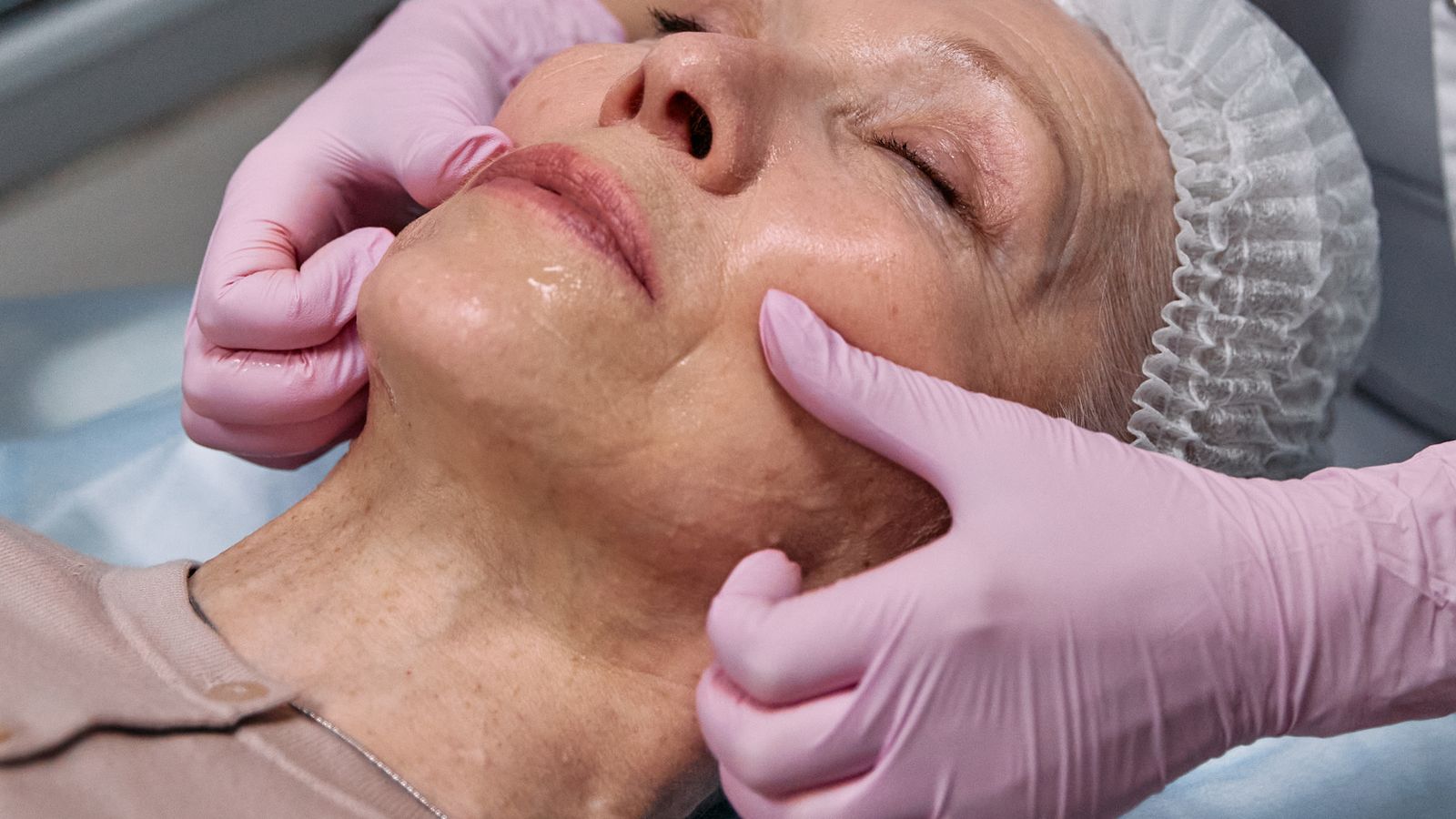
What Is Endolaser?
Endolaser, also known as endothermal laser skin tightening, is a minimally invasive treatment that uses a thin fiber-optic laser placed beneath the skin. The laser delivers controlled heat to targeted tissue, helping to tighten the skin, stimulate collagen production, and improve contour.
It is commonly chosen by patients who want noticeable improvement without undergoing a surgical facelift.
- Jawline
- Lower face
- Jowls
- Neck
- Under the chin
- Abdomen
- Small areas of skin laxity
What Is a Facelift?
A facelift, also called a rhytidectomy, is a surgical procedure designed to correct more advanced signs of facial aging. During a facelift, a surgeon makes incisions, repositions deeper facial tissues, removes excess skin, and tightens sagging areas.
A facelift can address more significant laxity in the lower face and neck. It is typically recommended for patients with moderate to severe sagging, deeper jowls, and more advanced skin looseness.
While a facelift can create more dramatic results, it also involves surgery, anesthesia, incisions, and a longer recovery period.
How Endolaser Works
Endolaser works by heating the tissue beneath the skin. This controlled heat helps contract tissue and trigger the body’s natural collagen-building process.
Collagen is what gives the skin firmness and structure. As we age, collagen production slows down, leading to loose skin, fine lines, and loss of definition. Endolaser helps stimulate new collagen over time, which can gradually improve skin firmness and tightness.
The treatment may also help reduce small pockets of fat, especially under the chin or along the jawline, while tightening the surrounding skin.
How a Facelift Works
A facelift works by surgically lifting and repositioning deeper facial structures. Instead of relying on collagen stimulation alone, a facelift physically moves tissue back into a more youthful position.
The surgeon may remove excess skin and tighten the underlying layers to improve sagging along the cheeks, jawline, and neck.
Because it directly corrects loose tissue, a facelift usually produces more dramatic and longer-lasting results than non-surgical or minimally invasive treatments.
Endolaser vs. Facelift: Key Differences
The biggest difference between Endolaser and a facelift is the level of invasiveness.
Endolaser is minimally invasive. It uses a small entry point and does not require large incisions or skin removal. It is designed for patients who want tightening, contouring, and collagen stimulation with less downtime.
A facelift is surgical. It requires incisions, tissue repositioning, and a more involved recovery. It is better suited for patients with more advanced sagging or significant excess skin.
Which Treatment Gives Better Results?
The answer depends on the patient.
For patients with mild to moderate skin laxity, early jowling, mild neck looseness, or subtle loss of jawline definition, Endolaser may be an excellent option. It can improve firmness and contour without surgery.
For patients with severe sagging, significant loose skin, deeper jowls, or advanced facial aging, a facelift may provide better results because it can physically lift and remove excess skin.
Endolaser can create a natural improvement, but it cannot replace the lifting power of surgery in patients who truly need surgical correction.
Recovery Time: Endolaser vs. Facelift
Recovery is another major difference.
After Endolaser, patients may experience swelling, bruising, tenderness, or tightness in the treated area. Most of these effects are temporary. Some patients return to normal activities quickly, while others may need a few days depending on the area treated.
A compression garment may be recommended, especially for the chin, neck, or body treatments.
A facelift requires a longer recovery. Patients may experience swelling, bruising, tightness, incision care, and activity restrictions. Recovery can take several weeks, and final results may continue to refine over time.
For patients who cannot take extended downtime, Endolaser may be a more practical option.
Scarring and Incisions
Endolaser uses a very small entry point for the laser fiber. Because it does not involve large incisions, visible scarring is usually minimal.
A facelift requires surgical incisions, often placed around the ears, hairline, or under the chin depending on the technique. These incisions are usually designed to be discreet, but they are still part of the surgical process.
Patients who want to avoid surgical scars may prefer Endolaser if they are a good candidate.
Natural-Looking Results
Both Endolaser and facelift surgery can look natural when performed properly.
Endolaser results tend to appear gradually as collagen production increases. This can create a subtle and natural transition because the skin improves over time.
A facelift can also look natural when done well, especially when deeper tissues are repositioned without creating an overly tight or pulled appearance. However, because surgery produces a more dramatic change, choosing the right surgeon is very important.
At True Bliss Medical, the focus is always on enhancing natural beauty and avoiding an overdone look.
Who Is a Better Candidate for Endolaser?
Endolaser may be a better choice for patients who want improvement but do not yet need surgical correction.
- Have mild to moderate skin laxity
- Notice early jowls or softening of the jawline
- Have mild fullness under the chin
- Want skin tightening without surgery
- Prefer minimal downtime
- Want gradual, natural-looking improvement
- Are not ready for a facelift
- Want collagen stimulation and contouring
Who Is a Better Candidate for a Facelift?
A facelift may be better for patients with advanced aging changes who want a more complete structural result than Endolaser alone can provide.
- Have moderate to severe facial sagging
- Have significant loose skin
- Have deeper jowls
- Want a more dramatic lift
- Need removal of excess skin
- Are comfortable with surgery and downtime
- Want longer-lasting structural correction
Can Endolaser Delay the Need for a Facelift?
For some patients, yes. Endolaser may help improve early laxity and stimulate collagen before the aging process becomes more advanced. It may be a good option for patients who want to maintain firmness and definition without jumping directly to surgery.
However, Endolaser does not stop aging permanently. It can help improve the appearance of laxity, but patients with progressive skin looseness may still consider surgery later.
Can Endolaser Be Combined With Other Treatments?
Yes. Endolaser can be part of a larger facial rejuvenation plan. Combination treatments can be helpful when the goal is to improve both skin tightness and skin quality.
- Radiofrequency microneedling
- CO2 laser resurfacing
- PRP or PRF
- Biostimulators such as Radiesse
- Neuromodulators for neck bands or jawline slimming
- Dermal fillers for facial balancing
- Medical-grade skincare
So, Which Is Better?
Neither treatment is automatically better. The better option depends on the patient’s anatomy, degree of skin laxity, goals, budget, downtime, and comfort with surgery.
Endolaser is better for patients who want a minimally invasive treatment with less downtime and gradual skin tightening.
A facelift is better for patients who have significant sagging, loose skin, and want a more dramatic surgical lift.
The most important step is having a proper consultation to determine which treatment makes sense for your face, skin quality, and long-term goals.
Is Endolaser Right for You?
If you are noticing early sagging, loose skin, or loss of definition in the jawline or neck, Endolaser may be a good option to consider. It can help tighten, contour, and stimulate collagen without the recovery associated with surgery.
At True Bliss Medical, Dr. Alexander Rios evaluates each patient individually to determine whether Endolaser, another non-surgical treatment, or a surgical referral would be the most appropriate choice.
True Bliss Medical is located in Verona, New Jersey, and serves patients throughout Essex County, including Montclair, Caldwell, West Caldwell, West Orange, Livingston, and Cedar Grove. The practice focuses on advanced, physician-performed aesthetic treatments designed to enhance natural beauty without surgery.
About True Bliss Medical
True Bliss Medical is located in Verona, New Jersey, and serves patients throughout Essex County, including Montclair, Caldwell, West Caldwell, West Orange, Livingston, and Cedar Grove. Our practice focuses on advanced, physician-performed aesthetic treatments designed to enhance natural beauty without surgery.
Sources and further reading
Next step
Schedule a consultation at True Bliss Medical in Verona, NJ to find out whether Endolaser, another non-surgical option, or a surgical referral best fits your anatomy and goals.
Considering this treatment? Explore Endo Thermal Laser Lifting at True Bliss Medical in Verona, NJ.
Book a ConsultationContinue reading